Breathlessness: A Problem and a Solution?
Originally published July 2019. Updated August 2026 for clarity and current safety guidance.
Breathing is often misunderstood in sports training, which is odd given it’s something universal to all athletes. Everyone wants to maximise their oxygen uptake, but despite what many people think, funnelling larger volumes of air via our mouth is not the way to do it.
If you’re feeling breathless or wheezy, either during or after exercise, then you may be experiencing exercise-induced bronchoconstriction (EIB), where your upper airways tighten and restrict airflow. You may be told it’s due to fitness, but if you disagree, it’s worth checking if the way you’re breathing is a factor.
Ineffective breathing affects around 1 in 10 of the general population, but is higher amongst athletes and those suffering from asthma or anxiety. The incidence of EIB in athletes ranges from 10–50%, depending on the sport and intensity. At the Athens Olympics, 21% of the UK team displayed asthma symptoms.
Whils...
Before Zoom, Before COVID: How We Took Yoga Education Online.
Originally published 2019 · Written by YSS Founder Hayley Winter
Editor's Note | Looking Back from 2026
When I first wrote this article in January 2019, online yoga education was still finding its feet.
Little did any of us know that just over a year later, a global pandemic would close yoga studios, universities, gyms and training centers around the world. Teachers who had spent their careers working face-to-face suddenly had to learn how to teach through a screen.
For us at the Institute of Yoga Sports Science® (YSS), the situation was different.
We had already been teaching online for more than a decade.
And the journey that got us there began with another global crisis.
How it all began
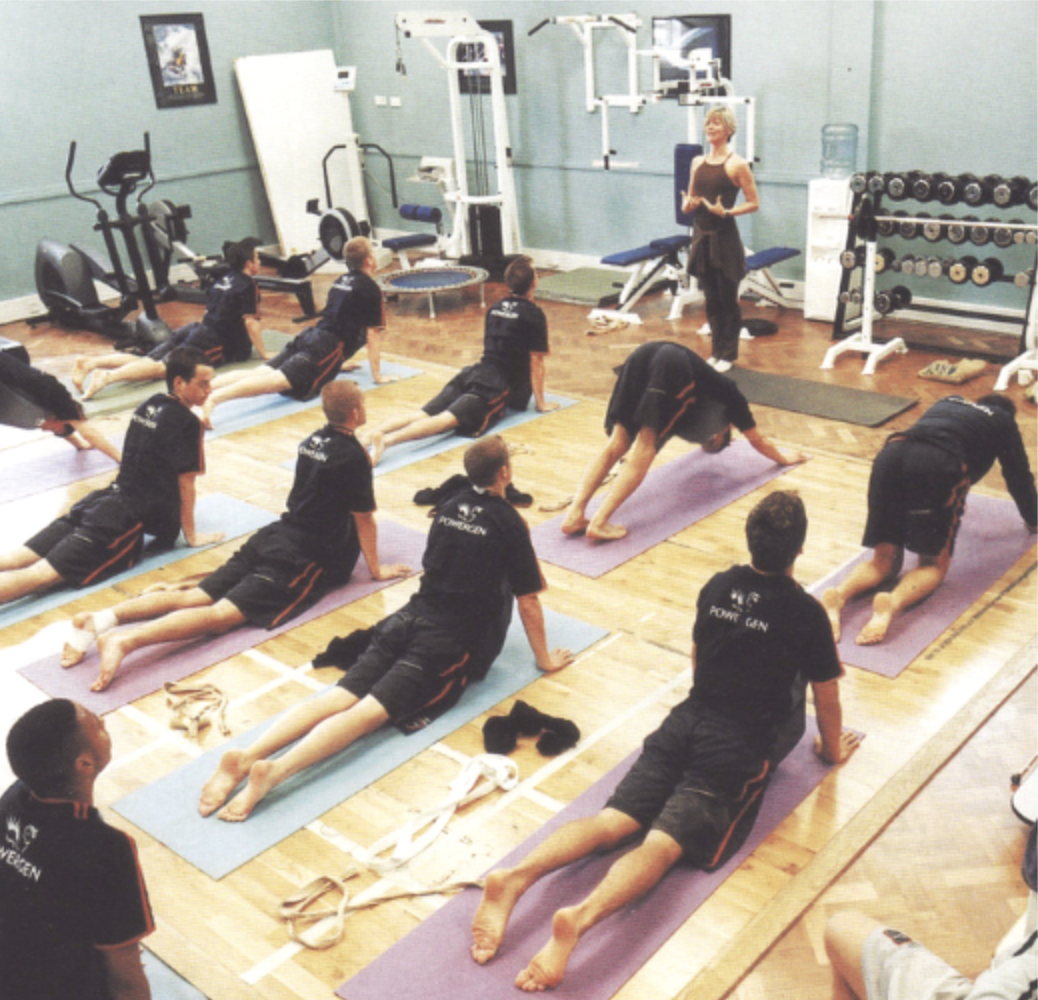
Teaching a sports-specific yoga session at Ipswich Town FC, UK, 2001
My interest in yoga for athletes began long before online education became part of the picture.
From around 2000, I had been exploring a hypothesis: could yoga be adapted specifically to support athletic performance?
...From Gymnastics to Yoga Sports Science®: A Coach's Unexpected Journey

Originally published in 2018 · Written by Lisa Jackman, Yoga Sports Coach™
Editor's Note | Looking Back from 2026
When Lisa Jackman wrote this article in 2018, she was reflecting on a remarkable journey from competitive gymnastics to yoga teaching and eventually becoming a Yoga Sports Coach™.
Her story offers a fascinating glimpse into the experiences that brought people to the Institute of Yoga Sports Science®, often from sporting backgrounds that were quite different from traditional yoga teaching.
It also raises some interesting questions about the historical relationship between gymnastics, physical education and modern postural yoga.
We've revisited Lisa's original article to improve its flow and clarity while preserving her humour, personal memories and curiosity. Her reflections on historical connections remain questions for exploration rather than verified conclusions.
I was 47 years old the first time I ever entertained taking a yoga class.
A friend from work suggeste...
A Yogi in Sport: The Benefits for Cyclists
Originally published 2014· Written by Yoga Sports Coach™ Lexie Williamson
‘Why Do Cyclists Need Yoga?’ was the title of my talk at the Dare 2b Festival of Cycling. Thousands of fans had gathered at Harewood House in Yorkshire to watch the 2014 Tour de France riders stream out onto the Dales.
I was invited as a Yoga Sports Coach™ and author of Yoga for Cyclists (Bloomsbury Publishing) to share some of the potential benefits of yoga with the festival crowd.
Why Do Cyclists Need Yoga?
It's a valid question.
After all, cyclists don't swing a club through 180 degrees like golfers, lunge sideways like tennis players or require the multidirectional movement skills of a footballer.
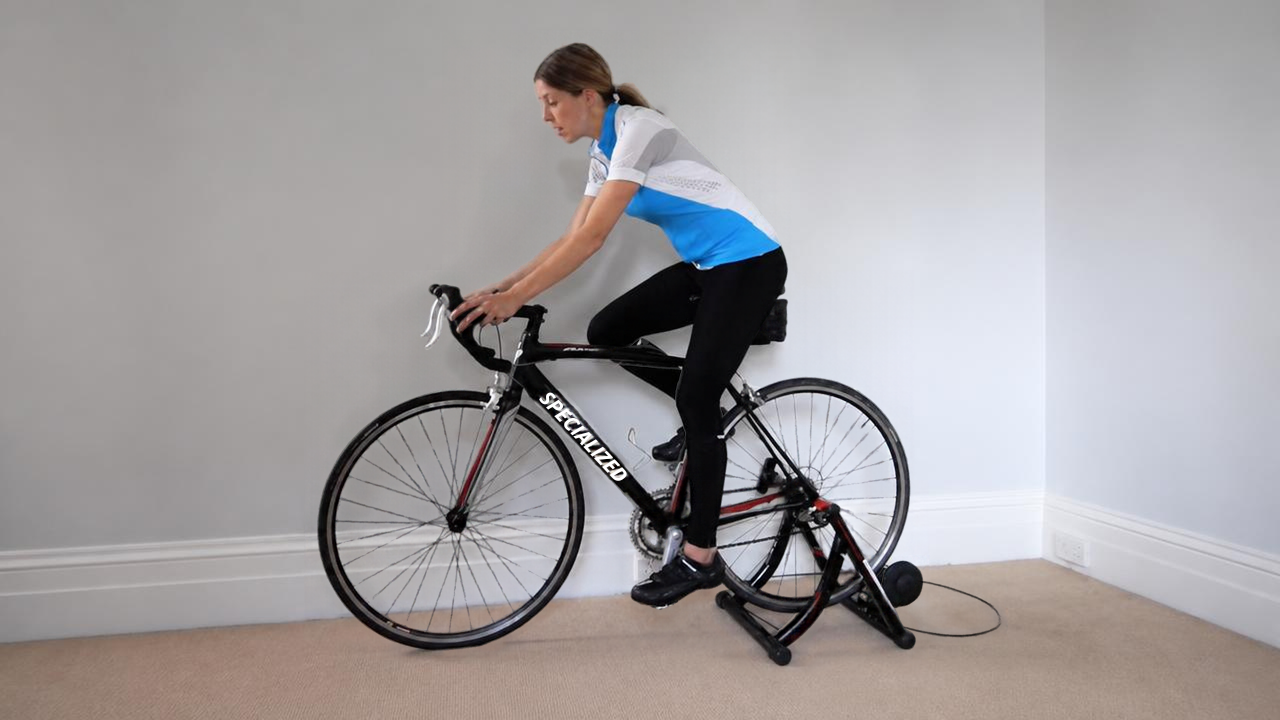
In fact, cyclists generally aim to minimise unnecessary upper-body movement, and this is one reason to turn to yoga. The muscles that stabilise the legs, hips and torso work to support riders as they maintain a relatively fixed, flexed position for extended periods.
Road-riding posture is another reason t...
Yoga Sports Science® at Cambridge University Sports Centre
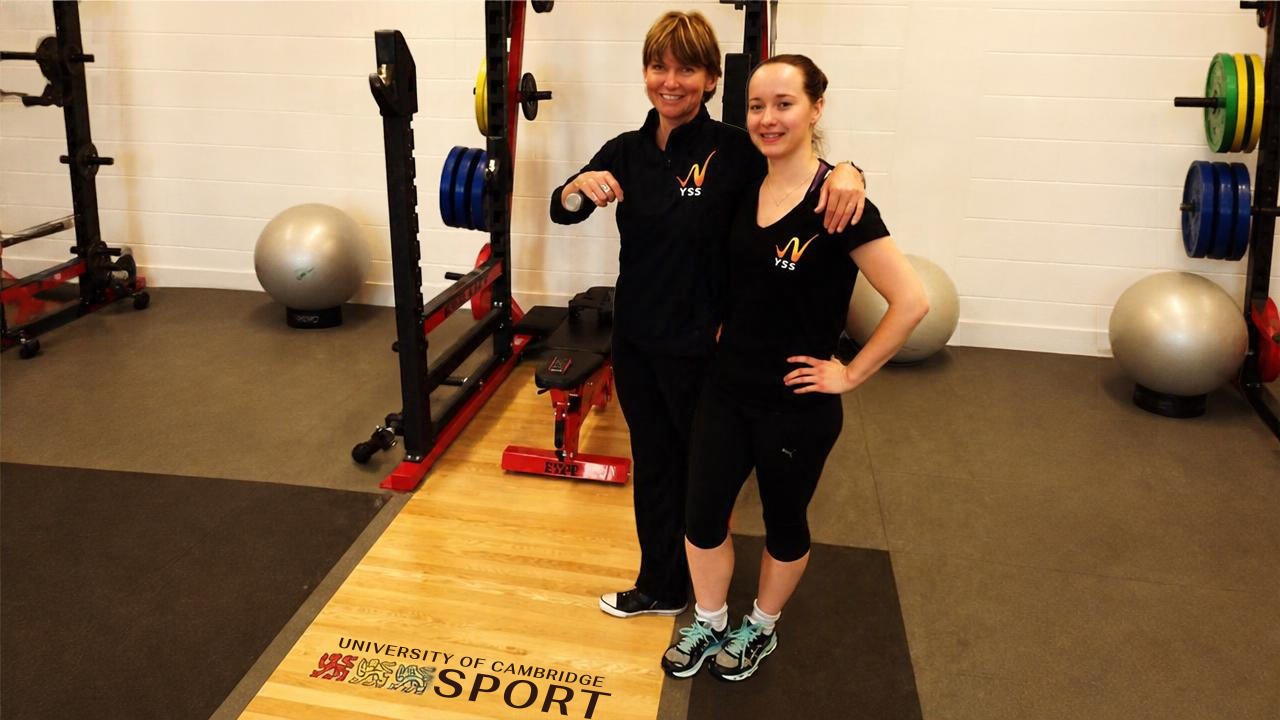
Hayley Winter and Kate Crouch in the Strength & Conditioning area at Cambridge University Sports Centre.
Originally published 2014· Written by Yoga Sports Coach™ Kate Crouch
On Thursday 20 February 2014, we held our first Yoga Sports Science® Clinic for 11 athlete members of the University of Cambridge Sports Centre.
We were lucky enough to have the session led by Hayley Winter, Founder of the Institute of Yoga Sports Science®, who came to the Centre and was amazed by the fantastic facilities we have here.
The session was also supported by the Centre's very own Yoga Sports Coach™: me!
Bringing Different Sports Together
We had a huge variety of sports represented among the athletes attending: running, heptathlon, triathlon, powerlifting, modern pentathlon, cycling, rowing, cricket, gymnastics and real tennis. Our Fitness, Strength and Conditioning Manager, Tristan, also joined us.
Hayley took the athletes through a range of techniques involving breathing, mobility, shoulder movem...
Yoga Sports Coach™ Sets New British Record
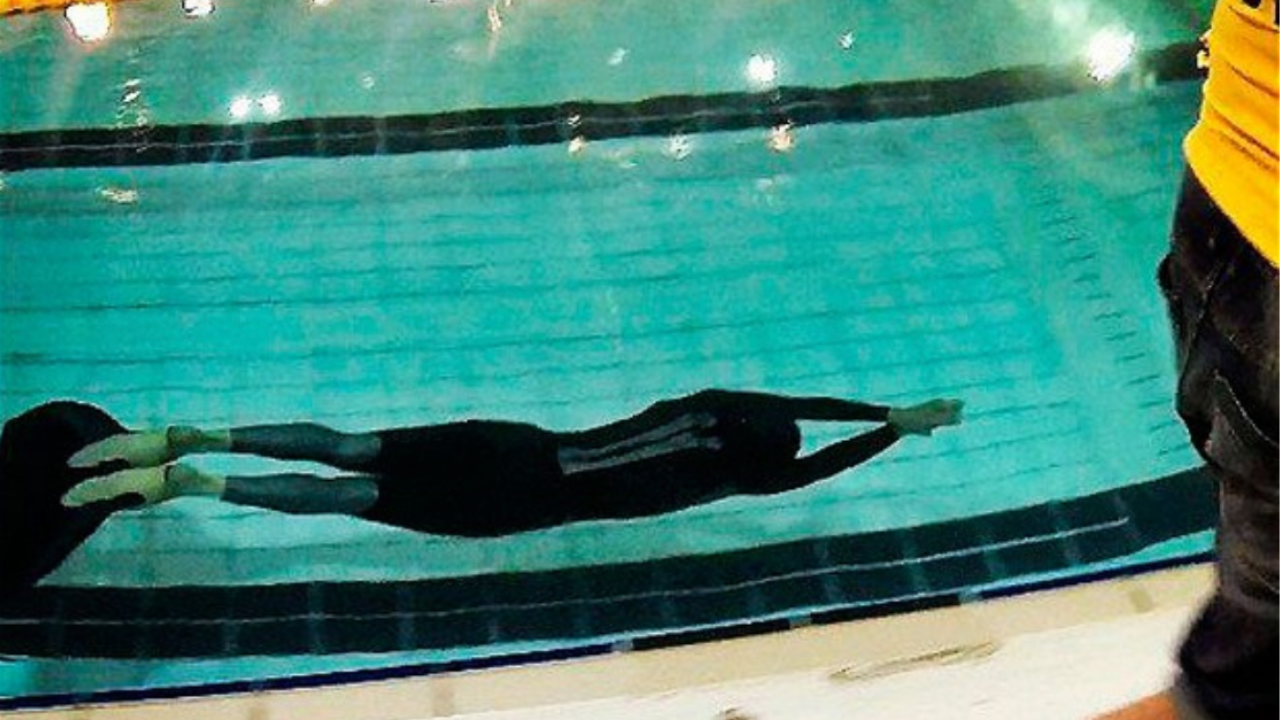
Originally published 2013· Written by Yoga Sports Coach™ Rebecca Coales
When I trained as a Yoga Sports Coach™ in 2012, I worked with a freediving athlete as part of my Yoga Sports Science® (YSS) case study research.
It had occurred to me at the time that I might end up applying the principles to myself as an international freediver, but little did I know that I would go on to become a record-breaking athlete.
Applying What I'd Learnt
I'd been freediving for four years and practising yoga for about the same length of time. I'd also been teaching yoga for two years when I started the Yoga Sports Science® (YSS) course.
I wanted to gain a better understanding of the functional aspects of yoga in relation to the biomechanics of sport and discover new ways to work with athletes.
My case study gave me time to study freediving biomechanics closely, from videos of elite athletes to divers in my own club.
Having worked with a diver for 10 weeks to improve her monofin technique (underwate...
Competition Nerves: A Personal Experience from the CrossFit Games 2012
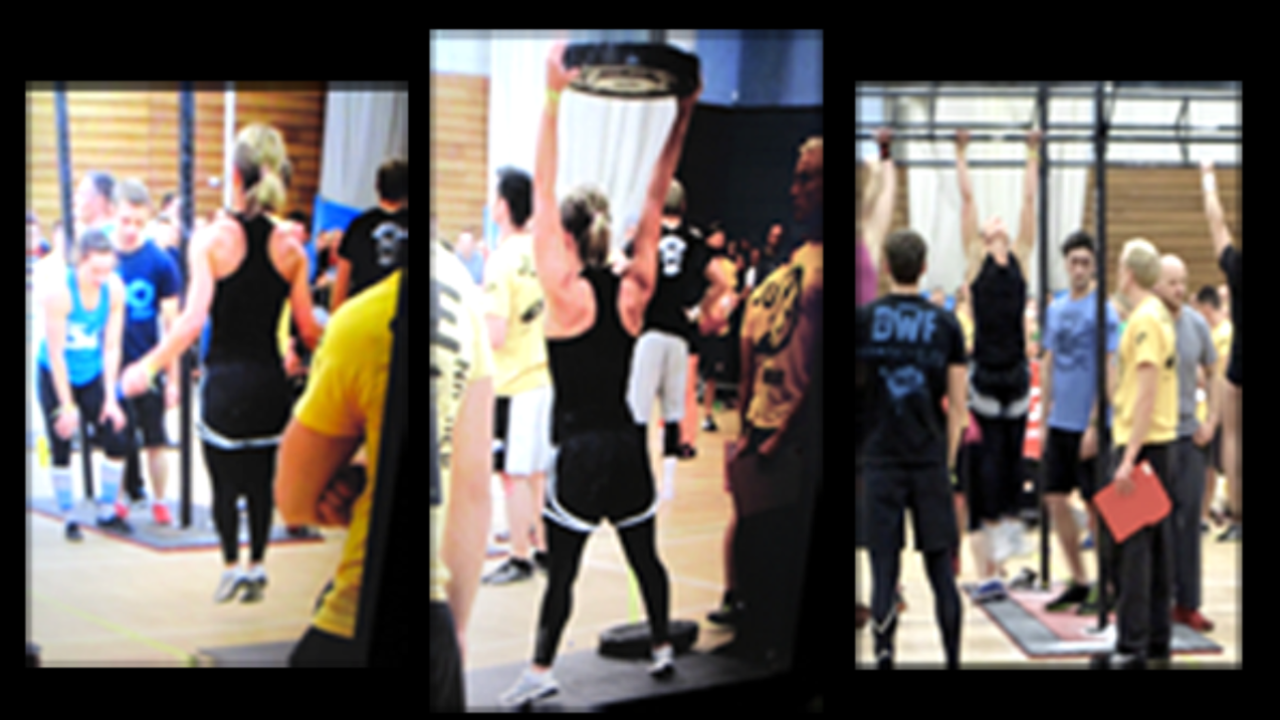
Originally published 2012 · Yoga Sports Coach™ Annelize Ferreira shares her personal experience of competition nerves.
Ten months ago, I would never have thought that I would be moving a 15 kg barbell plate 84 times from ground to overhead, performing 49 unassisted pull-ups and racing my way through 210 double-unders (all against the clock) in front of a 2,000-strong crowd.
I was competing as part of a six-member team at Europe's largest CrossFit competition: Divided We Fall CrossFit Games 2012.
As a recreational CrossFit fanatic, this was the ultimate test of my physical progress and an opportunity to compare my fitness levels against approximately 236 other women attending from across the UK.
Weeks of intense training and a few injury scares were finally behind me, and I was faced with the biggest challenge of all: competition NERVES!
Instinctively, I put into practice the skills I had gained from my Yoga Sports Science® training. I took myself off to a quiet corner, settled int...
