Esports and Yoga: Why Player Wellbeing Matters
Originally published in 2018 · Written by Hayley Winter, Founder of the Institute of Yoga Sports Science®
Editor's Note | Looking Back from 2026
My interest in esports has a personal connection that goes back long before I founded the Institute of Yoga Sports Science®.
My first degree was in animation, and my background in graphic design and character animation taught me to study human movement in a rather unusual way: frame by frame.
Through drawing, observing and analysing the body in motion, I developed a fascination with how movement is organised. That curiosity continued into my later studies of anatomy, biomechanics and yoga.
I also worked in games education, teaching anatomy and character design on a course run by a dear friend and colleague. At the time this article was published in 2018, she was CEO of Women in Games, a position she continues to hold in 2026.
Looking back, this article reflects another connection between my creative background and the development of Yoga Sports Science®.
It also reminds me that understanding movement can begin in unexpected places.
In a previous blog, I explored the early days of teaching yoga online and how digital technology was beginning to change the way people accessed yoga education.
Continuing with that digital theme, I want to take a look at the growing world of competitive gaming, or esports, and explore how yoga and sports science might help players look after their physical and mental wellbeing.
The Rise of Esports
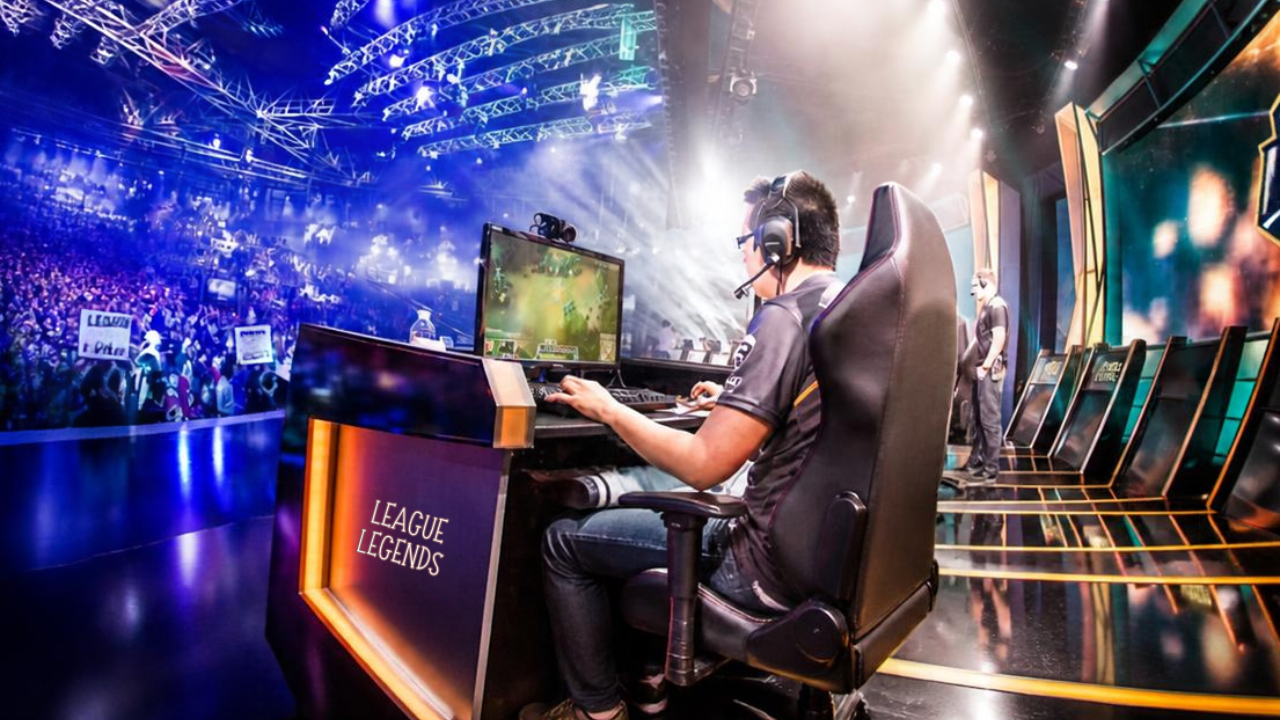
Online gaming was once largely associated with teenagers playing video games at home on their Nintendo consoles. But since the early 2000s, competitive gaming has grown into an international industry, with professional teams, substantial prize money and increasingly large audiences.
In 2018, the British Esports Championships were attracting attention, with grand finals planned for the following year at Birmingham's NEC. Esports was also preparing for a place on the programme of the 2022 Asian Games.
The numbers were impressive. Industry reports estimated revenues of around $700 million in 2017, with predictions approaching $906 million for 2018. Global esports audiences were also growing rapidly, with some estimates exceeding 400 million viewers and enthusiasts.
Yes, 400 million!
Professional competitions were filling major arenas, including Wembley Arena and London's O2, while international brands were becoming increasingly interested in sponsorship opportunities.
Although there was still debate about whether competitive gaming should be considered a sport, the industry was developing many of the structures we associate with professional athletics.
Amazon had purchased the streaming platform Twitch in 2014 for approximately $970 million. American universities were introducing varsity esports teams and scholarships, while Staffordshire University launched its esports degree programme in 2018.
Competitive gaming was becoming a serious professional pursuit.
A New Generation of Competitors
In 2018, the esports audience was predominantly young and male, although the industry was beginning to recognise the importance of greater diversity and inclusion.
Players competed across a wide range of gaming genres, including:
- Multiplayer online battle arenas: League of Legends and Dota 2.
- First-person shooters: Counter-Strike, Call of Duty and Overwatch.
- Fighting games: Street Fighter, Tekken and Super Smash Bros.
- Sports and racing games: FIFA, Pro Evolution Soccer and Forza.
Each game places different demands on players, but many require sustained concentration, rapid decision-making, precise hand movements and the ability to perform under pressure.
And that raises an interesting question for anyone working in sports science.
How do we support the health and wellbeing of people whose competitive performance depends on spending long periods sitting in front of a screen?
What Are the Risks for Esports Players?
Although esports doesn't involve the same physical contact as many traditional sports, competitive gaming places its own demands on the body and mind.
In 2018, researchers and healthcare professionals were beginning to pay closer attention to the potential effects of intensive gaming.
Three areas particularly interested me.
1. Prolonged Sitting and Physical Discomfort
Competitive gamers can spend many hours seated, often repeating small hand and wrist movements while maintaining relatively fixed positions.
Over time, this may contribute to discomfort in the wrists, hands, neck, shoulders and back.
Conditions such as carpal tunnel syndrome and other repetitive strain problems have been discussed in relation to gaming, although symptoms and causes vary between individuals.
There were also reports at the time of professional gamers experiencing serious health problems, including collapsed lungs. However, these incidents shouldn't be taken as evidence that gaming posture or breathing habits directly cause pneumothorax.
What we can say is that prolonged inactivity deserves attention.
Regular movement breaks, comfortable workstation arrangements and opportunities for physical activity may help players manage some of the physical demands associated with long gaming sessions.
From a Yoga Sports Science® perspective, this is an interesting area for movement education.
Rather than expecting someone to maintain a supposedly perfect posture for hours, we can encourage movement variety, body awareness and regular changes of position.
2. Mental Fatigue and Burnout
Professional esports can involve considerable psychological pressure.
Players need to remain focused, make decisions quickly and perform consistently during practice and competition.
For young competitors, there may also be the added pressure of public attention, online criticism and demanding training schedules.
Burnout is associated with prolonged, poorly managed stress and may involve exhaustion, reduced motivation and feelings of detachment.
Intensive practice schedules can also reduce opportunities for rest, social connection and recovery.
These are familiar concerns in many competitive sporting environments.
YSS Tip: Simple breathing awareness exercises and short periods of mindfulness may offer players a practical way to pause, notice tension and settle their attention during a demanding training day.
These practices shouldn't be presented as guaranteed ways to increase reaction speed or competitive performance, but they may form part of a broader approach to wellbeing.
3. Nutrition and Physical Activity
Long gaming sessions can make it easy to overlook regular meals, hydration and opportunities to move.
Some players may rely on convenient snacks or spend much of their day sitting, particularly during intensive training periods.
Of course, this doesn't describe every gamer.
Nevertheless, adequate nutrition, sleep and regular physical activity are important considerations for anyone spending long periods working or competing at a screen.
The challenge is finding practical ways to make healthy habits part of an already demanding schedule.
The Benefits of Esports
It's not all bad news!
Competitive gaming can also provide opportunities for learning, enjoyment and social connection.
Research available at the time suggested that certain forms of gaming might be associated with benefits in areas such as:
- Visual attention and perceptual skills.
- Decision-making and hand-eye coordination.
- Teamwork and communication.
- Social connection and community participation.
- Concentration and task-specific dexterity.
The extent to which these skills transfer beyond gaming depends on the activity and the individual, so we need to be careful about making sweeping claims.
However, esports offers something that is sometimes overlooked in discussions about screen time.
For many players, gaming is a highly social experience.
It can involve teamwork, shared goals, communication and a strong sense of belonging.
The opportunity, as I see it, is to support these positive experiences while encouraging a healthy balance between gaming, movement, rest and everyday life.
Training Like an Athlete
Professional esports teams can spend considerable time developing strategies, refining their skills and preparing for tournaments.
In 2018, some professional League of Legends players were reported to be practising for 12 hours or more each day.
Leading organisations, including Los Angeles-based Team Liquid, were investing in dedicated training facilities and access to specialist support such as nutritionists and sports psychologists.
These developments suggested that esports was beginning to adopt a more structured approach to player preparation.
I was particularly interested in whether movement education, breathing awareness and yoga could become part of that wider conversation.
If players are expected to perform at a high level, their physical and psychological wellbeing deserves attention too.
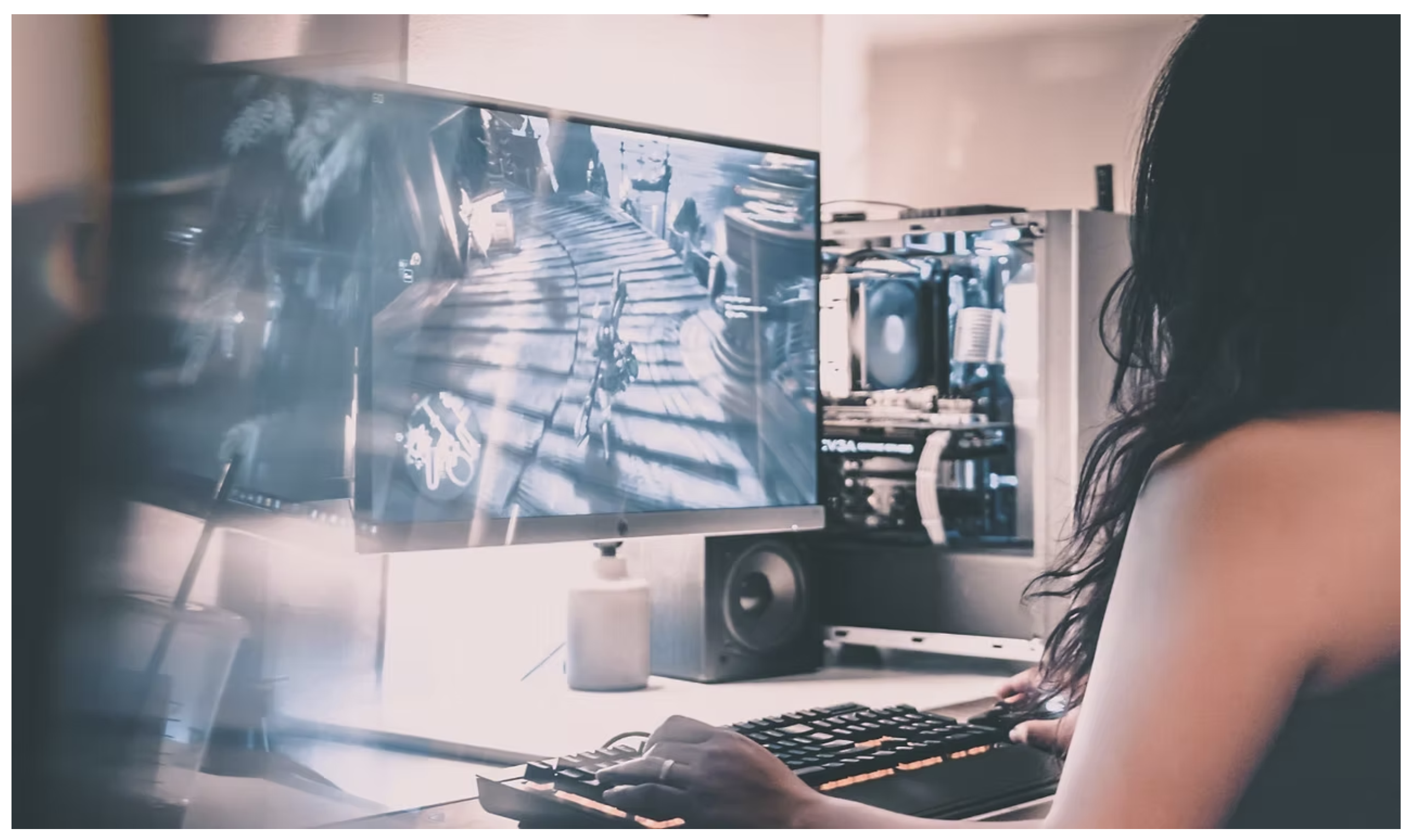
Image: Saranny Him on Unsplash
Women in Games and the Future of Esports
One of the people I spoke with about this emerging industry was my dear friend and former colleague, Marie-Claire Isaaman, CEO of Women in Games.
Marie-Claire and I had previously worked together in games education, where I taught anatomy and character design.
In 2018, Women in Games was drawing attention to the importance of greater diversity and opportunities for women within the industry.
Marie-Claire shared this perspective:
“Professional playing can be compared to the practice of athletes. The skill involved in playing and mastering video games has led to the professionalization of eSports.”
She also recognised the potential contribution of Yoga Sports Science® to player wellbeing:
“Yoga Sports Science is way ahead in designing programmes that can help e-athletes stay sharp, focused and fit through fine-tuning the body and mind and the power that lies in the breath. As an organization keen to support more women into eSports, Women in Games have been considering the health implications and will be recommending this initiative to all women in eSports and the esports organizations we work with.”
It was encouraging to see conversations about diversity and player wellbeing developing alongside the professional growth of esports.
Both deserved greater attention as the industry continued to expand.
How Can Yoga Sports Science® Help?
Professional gamers face an interesting challenge.
They need to practice regularly to develop their skills, but they also need to look after the bodies and minds that make those skills possible.
This is where I believe yoga and movement education may have something useful to offer.
A yoga-based approach doesn't need to involve lengthy sessions or complicated postures.
It might begin with simple changes to a daily routine.
Taking regular movement breaks can help interrupt long periods of sitting. Gentle mobility exercises may provide opportunities to move the spine, shoulders and wrists through comfortable ranges.
Breathing awareness can encourage players to notice how they breathe during periods of concentration or stress.
And mindfulness practices may help develop greater awareness of attention, tension and the need for rest.
There is research exploring the relationship between yoga, attention and psychological wellbeing, although evidence demonstrating direct improvements in esports performance remains limited.
For me, the value lies in helping players develop a better understanding of their own physical and mental responses.
That awareness can inform how they prepare, practice and recover.
[Image: Hayley Winter demonstrating one of the YSS breathing techniques used in athlete education.]
My Top Tip: Start With Your Breath
Over the years, our research at the Institute of Yoga Sports Science® has repeatedly highlighted breathing as one of the most overlooked aspects of athletic performance.
In my work with athletes, I've seen how developing greater awareness of breathing can become an important part of their training, preparation and recovery.
It's accessible, requires very little equipment and can be explored almost anywhere.
For esports players, I would begin with something simple.
- Sit comfortably and notice your breathing without trying to change it.
- Pay attention to the movement of your ribs and the natural rhythm of each breath.
- Notice whether you're holding your breath during moments of intense concentration.
- Then allow yourself a few easy, unforced breaths before returning to your activity.
For players who spend long periods focused on a screen, that small moment of attention may be a useful place to begin.
A Final Thought
Back in 2018, esports was developing rapidly, and I was fascinated by the opportunities it presented for yoga and sports science.
Competitive gaming challenged some familiar ideas about what it means to be an athlete.
It also encouraged us to think differently about the relationship between movement, concentration, physical wellbeing and performance.
As esports continues to develop, I hope that greater attention will be given to the people behind the screens.
After all, whether you're competing on a football pitch, a tennis court or in a digital arena, looking after yourself matters.
Explore Yoga Sports Science®
If you're interested in how breathing, movement and sports science can be brought together in athlete education, explore the training and resources available through the Institute of Yoga Sports Science®.
