Slumpasana: Why Desk Jockeys Age Faster
Originally published in 2021 | Written by Hayley Winter
Editor's Note | Looking Back from 2026
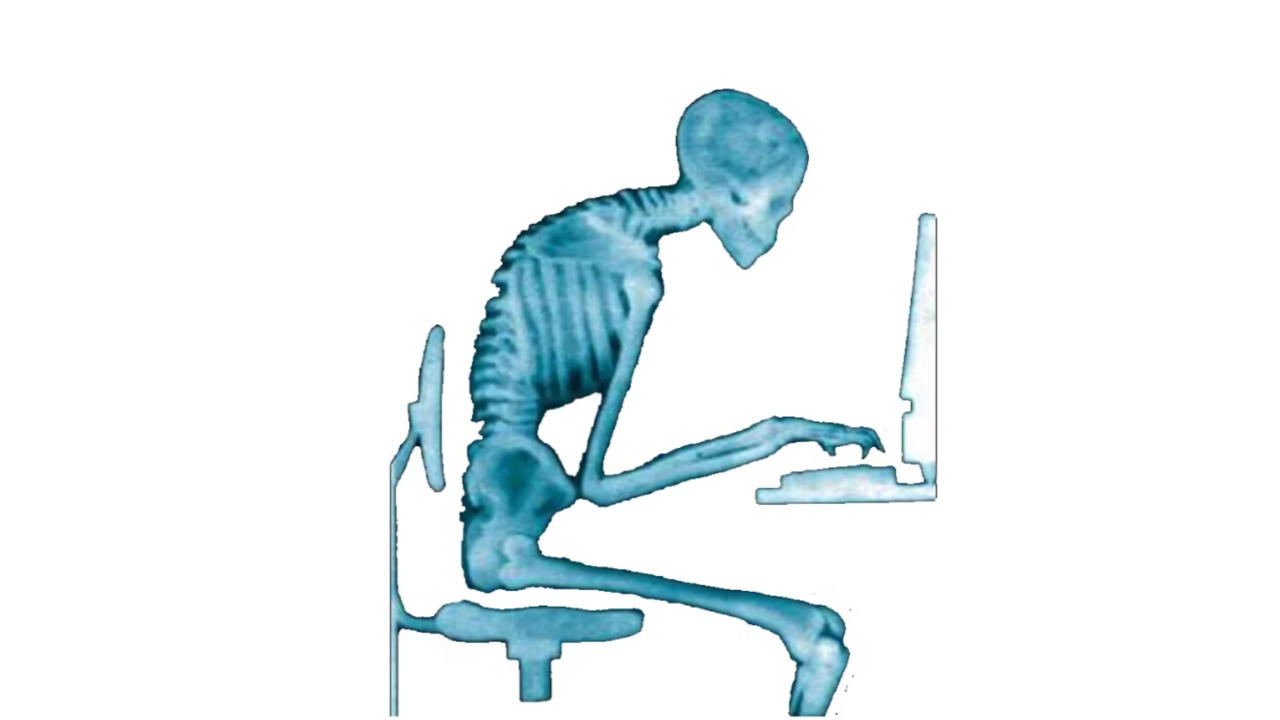
I first introduced the term Slumpasana to yoga teachers around 2011 as a playful way of exploring the anatomy and biomechanics of prolonged sitting.
When I wrote this article in 2021, the COVID pandemic had brought significant changes to how we worked and moved. Many of us were spending even longer periods sitting at computers, often without realising how little movement was happening throughout the day.
Five years on, research continues to highlight the health implications of prolonged sedentary behaviour.
What I find particularly interesting is the distinction between how we sit and how long we remain inactive. A slumped position can change the mechanical demands placed on the body, but sitting in one particular posture doesn't automatically cause injury or accelerate ageing.
The wider evidence reminds us that prolonged sedentary behaviour, limited movement variety and insufficient physical activity deserve attention.
This article captures my thinking in 2021, including some of the research and emerging ideas that informed my teaching at the time. Where scientific understanding has developed, I've added context so that readers can distinguish established findings from areas that are still being investigated.
My message remains much the same.
Move regularly. Explore different positions. And remember that the body is designed to respond to movement, not remain in one position all day.
Introducing Slumpasana
I first introduced Slumpasana ten years ago to a group of students on a Yoga Teacher Training Course. We were exploring the anatomy and biomechanics of sitting.
I referred to Slumpasana as a teaching point, asking students to amplify their slumped seated posture to appreciate the extreme feeling of compression. During their experience of the 'pose', we discussed the potential detrimental effects of remaining in this position for prolonged periods.
At the time, referring to the seated slump as Slumpasana caused great humour amongst the students. Little did I know that my description of the slouched seated posture would become increasingly relevant as prolonged sitting became associated with declining health and concerns about longevity.
In Sanskrit, asana refers to a seat or posture, but in the 21st-century context, Slumpasana means too much sitting. And it's a posture that most definitely doesn't have the yogic benefits we associate with asana.
Over the years, I've used this as an important postural reminder to help yoga teachers recognise the potential structural stresses that students may be bringing to the mat.
The Rise of Slumpasana and the Decline of Postural Health
Technology has changed the way we live, work and interact with others.
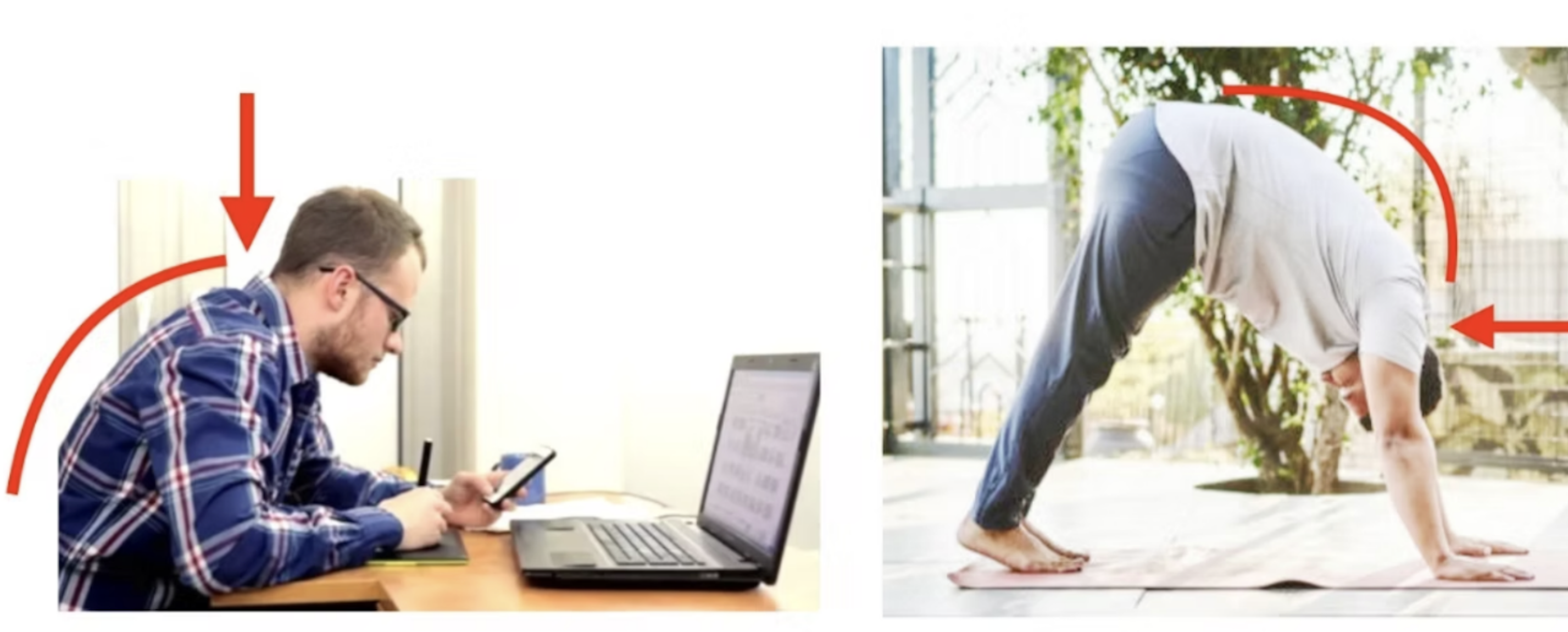
In the last decade particularly, it has contorted our bodies from Homo Erectus to Homo Flextus!
With the body enduring hours in forward flexion, collapsed, compressed, seated and sedentary, growing research into the health implications is proving alarming.
Technology isn't going away, and the use of devices is increasing.
Throughout the COVID pandemic, technology enabled us to work from home, helping to reduce lengthy commutes and avoid crowded subways.
Sadly, this also meant more opportunities for Slumpasana, with longer periods spent sitting and fewer opportunities for movement throughout the day.
The Dangers of Too Much Sitting That Link to Ageing
To better understand why the effects of Slumpasana may be harmful and potentially contribute to functional decline associated with ageing, I've outlined a few key areas highlighting the physiological, biochemical and neurological implications of prolonged sitting and slumped posture.
Brain
- The brain requires a continuous supply of oxygen to function effectively.
- Breathing mechanics and respiratory efficiency can be influenced by body position.
- Fatigue, concentration and cognitive performance are important considerations when exploring the wider effects of prolonged sedentary behaviour.
Breath
-
The diaphragm is a primary breathing muscle and responsible for 70 to 80% of inhalation effort. In Slumpasana its movement is restricted.
-
When the primary breathing muscles are restricted (the intercostals and abdominal muscles are also primary muscles), the secondary breathing muscles kick in. These muscles act as auxiliary breathing support and are the global neck muscles, scapula protractors, the trapezius and pectoralis minor. Accessing breathing in this way links to the sympathetic nervous system (SNS), the adrenal gland releases cortisol, the stress hormone.
-
Deep breathing into the lower lobes of the lungs is restricted and therefore limited to effectively engaging the parasympathetic nervous system (PNS). The PNS is involved in controlling resting activities, slowing heart rate, speeding digestion and activating the cleansing processes of the body. Its primal function is rest, digestion and recovery. Important factors to counteracting the effects of stress.
Memory
- Research has explored the relationship between posture, memory recall and mood, including whether a slumped position may be associated with greater negative recall bias.
Mood
- A collapsed posture has been investigated in relation to self-esteem, assertiveness and emotional responses.
- Researchers have also explored whether posture influences hormonal responses. I'll return to this in the Performance section below.
Skin
- Research has investigated whether exposure to blue light may contribute to skin changes and photoageing. However, the effects of ordinary computer-screen exposure remain uncertain.
Spine
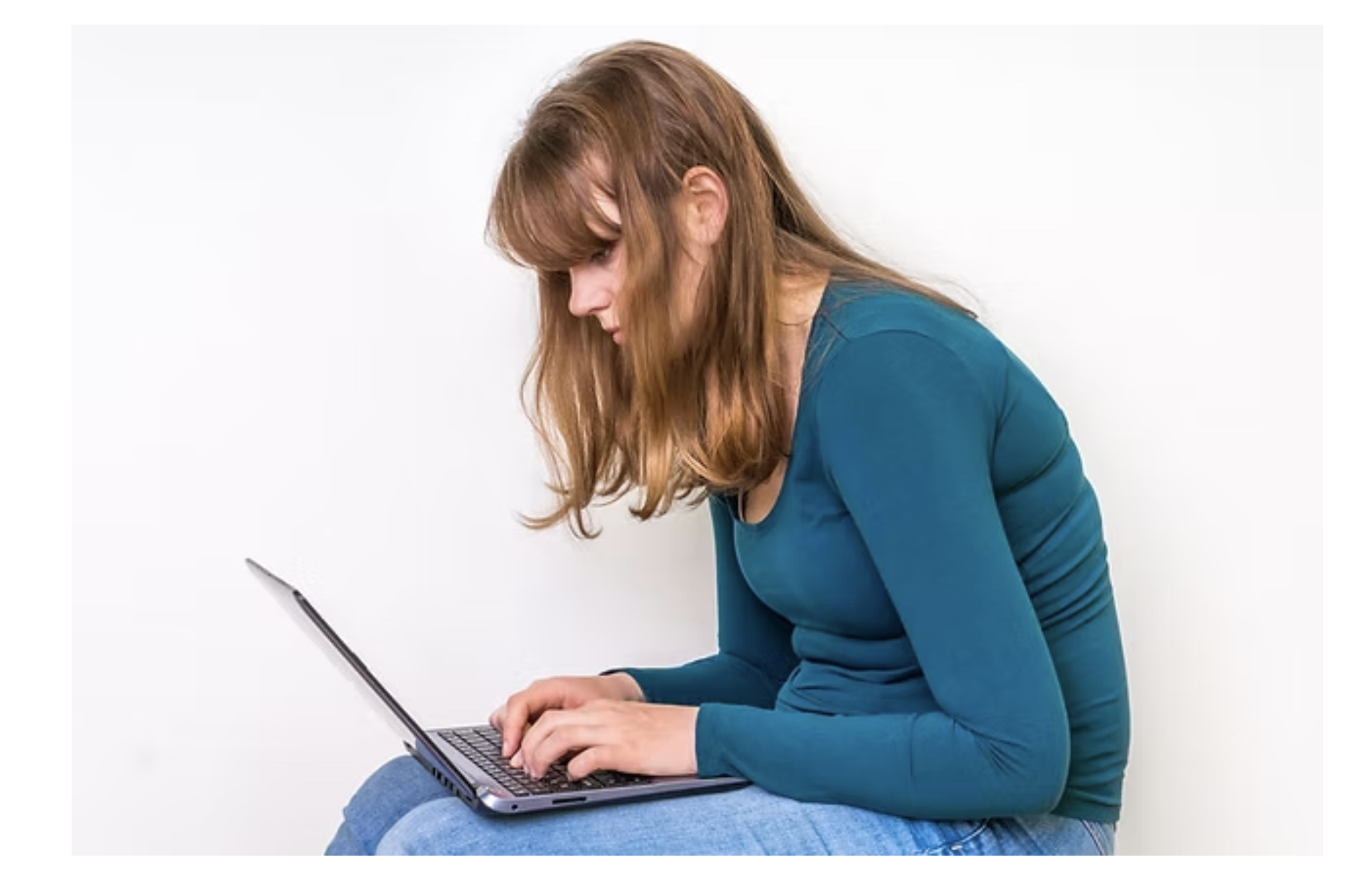
- When the head moves forwards and downwards, the mechanical demands on the cervical spine and surrounding muscles change. The adult head typically weighs approximately 10 to 12 pounds, roughly the weight of a medium-sized bowling ball.
- Sustained positions can alter loading across the spinal column.
- Prolonged sitting may contribute to lower-back discomfort in some individuals, particularly when movement opportunities are limited.
Shoulders and Hands
- Sustained shoulder, arm and wrist positions may contribute to muscular discomfort and loading of the upper limbs.
- Repetitive hand movements and other occupational factors may contribute to symptoms associated with conditions such as carpal tunnel syndrome.
Pelvis
- Lumbar flexion and posterior pelvic tilt influence the orientation of the pelvis and hip joints.
- Prolonged periods of sitting, particularly with limited movement variety, may affect comfort and how readily we move into other positions.
Feet
- Prolonged sitting reduces opportunities for weight-bearing sensory input through the feet.
- Regular standing, walking and balance activities provide opportunities to engage the sensory and motor systems involved in postural control.
Prolonged periods in a slumped, overly flexed position can change the mechanical demands placed on the body, including the spine, ribcage and surrounding muscles.
When combined with extended sedentary behaviour, this raises important questions about physical function, movement capacity and healthy ageing.
Posture
As we age, many factors affect postural changes, including the impact of gravity.
Spinal vertebrae can lose bone density, and loss of muscle mass is also associated with ageing.
But we don't have to simply succumb to the effects of gravity or resign ourselves to getting older.
We can make minor course corrections every day by adopting healthier postural habits and introducing more movement into our routines.
Altering how you sit, and how often you get up and move, is a useful place to start making changes that may positively affect how you perform in life.
Performance
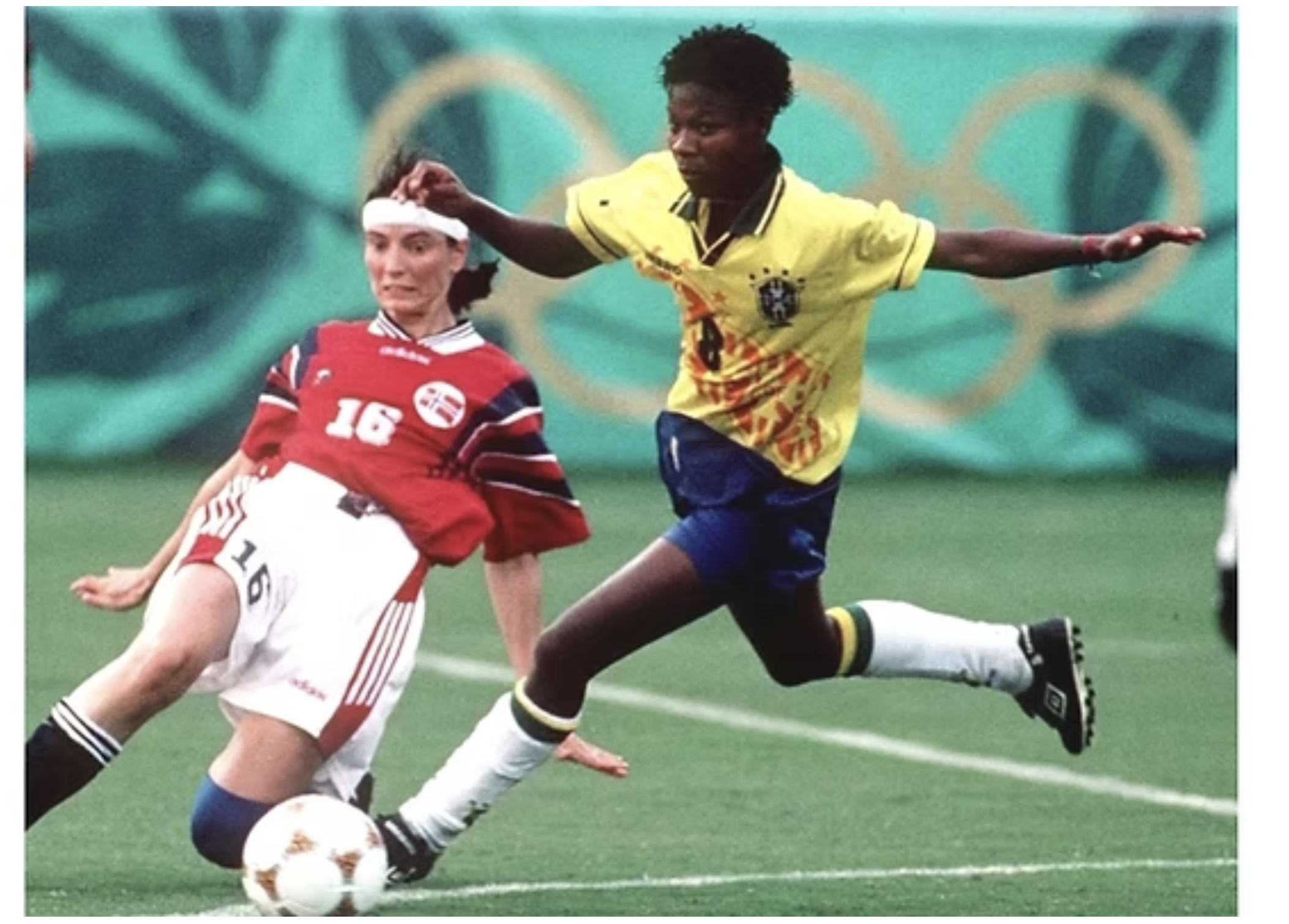
The postural stance of an athlete during performance is a key consideration when teaching our students about the sports-specific demands and movement patterns of a sport.
Understanding how to make micro postural changes can help athletes prepare biomechanically for their sport and may contribute to the marginal gains they seek.
But what about the relationship between posture and biochemistry?
Research exploring posture, memory recall and mood has discussed the possibility that collapsed and expansive postures may influence hormonal responses.
In her widely viewed 2012 TED Talk, social psychologist Amy Cuddy discussed early research suggesting that adopting different postures could influence testosterone and cortisol levels.
Those findings attracted considerable attention, although subsequent research has produced mixed results, and the original hormonal effects have not been consistently replicated.
It's an interesting area of research, particularly when considering the relationship between posture, emotional experience and performance.
For those of us spending five hours or more each day working at our computers, we're deskbound athletes undertaking sedentary marathons of postural endurance.
If you're an athlete who's been in Slumpasana all day before playing sport, or a human athlete going from Slumpasana to a yoga class, introducing movement and exploring different positions beforehand may help prepare your body for the activity ahead.
The Clock's Ticking...
Top Tip: To counter the effects of prolonged Slumpasana, set a timer during your working day as a reminder to get up and move.
If your schedule allows, take 10 to 15 minutes to step away from your computer.
Step outside, star jump, dance, hydrate!
Accumulated throughout the day, those movement opportunities are time well spent.
In the short term, they may help you return to the task at hand with greater focus and clarity.
And in the long term, reducing sedentary time and maintaining regular physical activity can contribute to healthier ageing.
A little movement goes a long way!
