Could Yoga Help Nadal Avoid the Pain of Defeat?
Written by Hayley Winter
It’s an all too common occurrence in sport where an athlete’s injury becomes the story.
No athlete wants to be injured, particularly ahead of a major championship or competitive season.
Athletes often have a natural tendency to push hard, work through pain and feel that if they're not training, they're at a disadvantage. This can sometimes lead to a premature return to training.
And when an injury recurs, it can bring a whole new set of psychological challenges to the fore.
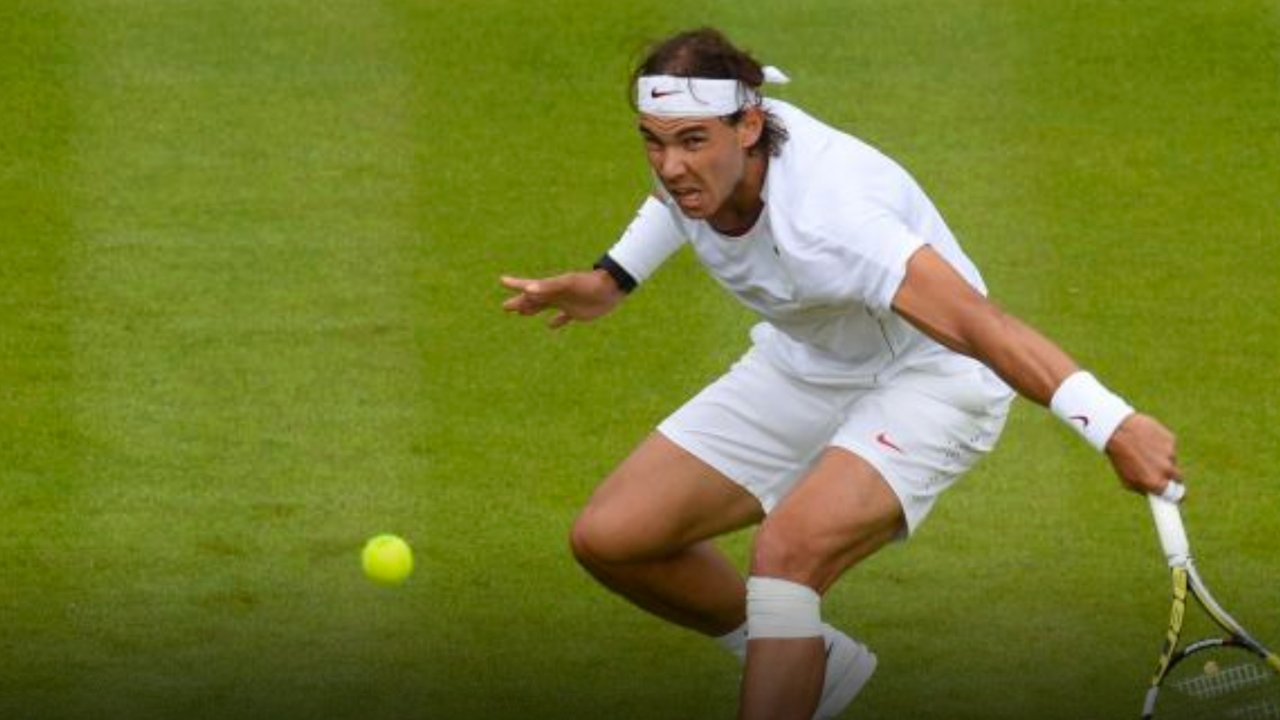
Rafael Nadal was no exception. During Wimbledon, he experienced the additional frustration of injury in his opening match, resulting in defeat just weeks after winning the French Open.
For someone at the top of his game, Nadal was surrounded by physiotherapists, coaches and a support team, all involved in assessing his readiness to compete.
But despite the advice available to an athlete, the desire to compete can be incredibly powerful.
It's in Nadal's nature to fight on court. That's what he does and what he has trained himself to do.
When an Athlete Just Wants to Keep Training
If an athlete wants to continue playing despite recommendations to rest or modify training, how might yoga become part of their decision-making process?
Whatever the nature of an injury, whether caused by contact or involving soft tissue, a period of rehabilitation and recovery may be required.
This can be one of an athlete's most vulnerable times.
Not only are they injured, but their familiar training mindset and schedule have been disrupted.
This is where sport-specific yoga may have something to offer alongside appropriate rehabilitation and professional support.
All the athlete wants to do is train. The belief that if I'm not training, I'm not gaining can undermine confidence and create additional pressure.
Supporting Recovery Without Losing the Training Mindset
If Nadal, like other athletes recovering from injury, felt he was still actively engaged in his training process, perhaps there would be less pressure to rush back into high-intensity training.
A carefully considered sport-specific yoga programme could support this period through appropriate movement, comfortable breathing practices and opportunities to develop awareness of the athlete's physical and psychological responses while normal training is restricted.
Rather than replacing rehabilitation, yoga could become one part of a wider recovery process, helping athletes maintain a connection with their bodies and training while allowing appropriate time for recovery.
That may, in turn, support a more considered return to performance.
What About Before Injury?
The other side of this conversation is prevention.
What role might regularly integrating sport-specific yoga into an athlete's strength and conditioning programme play in supporting movement quality, recovery and physical preparedness?
We can't assume that yoga could have prevented a particular injury. Sport is far too complex for that.
But perhaps the more useful question is whether yoga can give athletes another tool for understanding their bodies, responding to changes and recognising when pushing harder isn't necessarily the best route to performance.
Perhaps one of the greatest challenges for any athlete is knowing when to push forward and when to give the body time to recover.
Sport-specific yoga offers an opportunity to develop that awareness, helping athletes stay connected to their bodies even when their usual training is interrupted.
After all, sometimes the smartest move an athlete can make is knowing when to stop.
About Hayley Winter
Hayley Winter (MSc, BWY Dip, E-RYT 500, YACEP) is the founder of the Institute of Yoga Sports Science® and creator of the Yoga Sports Science® curriculum, including specialist courses and continuing education programmes for yoga teachers. With over 30 years of experience, she brings together yoga, sports science and movement education to help teachers develop the knowledge, confidence and practical skills to work with athletes and the wider sporting community.
